Why Every Technological Revolution Spawns New Giants
advertisement
The pace of the technological transformation is not solely a tale of new inventions, but rather a rearrangement of influence that subtly brings forth new leaders while displacing established ones. For those who monitor advancements and seek value, comprehending this framework is more than just recognizing a tech trend—it serves as the key to uncovering upcoming opportunities. In contrast to the widespread belief that success is due to chance, the emergence of fresh leaders during each transformative period arises from profound shifts in demand, capabilities, and the distribution of resources.
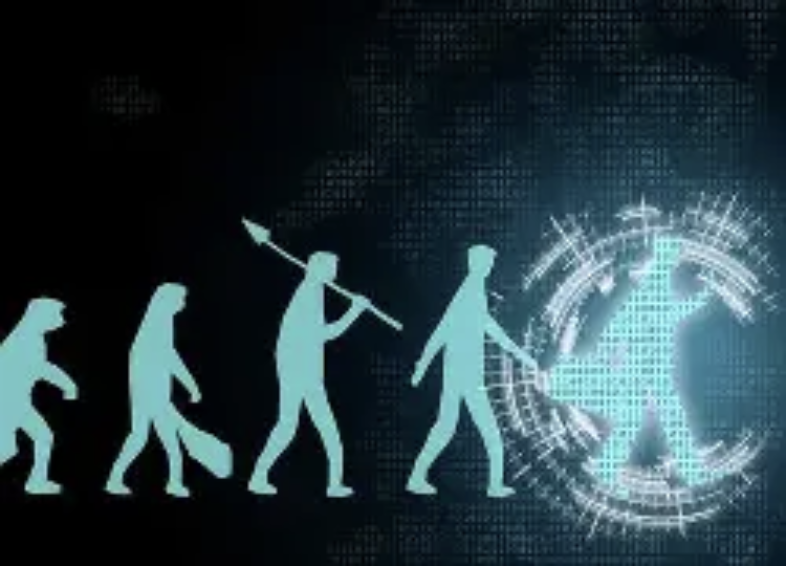
Technological Barriers Rewrite Competition Rules
Innovations in technology establish distinct barriers to entry that older leaders find difficult to overcome. These barriers extend beyond mere finances or size; they also encompass the capacity to merge new tech into practical applications. Contrary to the frequently mentioned concept of "first-mover advantage," the essential focus lies in "scenario integration capabilities"—a proficiency that established giants, constrained by their existing industrial frameworks and organizational resistance, struggle to acquire. New entrants, unencumbered by outdated systems, can effortlessly integrate new technologies with specific high-end market demands, creating formidable barriers to competition.
Resource Reallocation Favors Agile Innovators
Technological advancements initiate a widespread redistribution of crucial resources—such as talent, information, and funds—shifting them from obsolete sectors to emerging industries. High-consuming demographics, acting as both consumers and financiers, expedite this change: their readiness to invest in state-of-the-art products fuels the growth of new startups, while their desire for exceptional experiences directs the movement of talent. Established giants, overly reliant on conventional resource distribution models, frequently miss the chance to capture these emerging resources, whereas adaptable newcomers flourish from this shift.

Trust Reconstruction Creates New Brand Authority
Each technological upheaval disrupts the previous trust systems surrounding established technologies. Consumers, particularly those with significant wealth, begin to doubt the dependability and relevance of old brands, shifting their loyalty to new entities that exemplify technological advancement. These new leaders do not merely offer products; they cultivate new levels of trust through transparency, innovation, and tailored services. For example, in the domain of AI-driven home automation, the new leaders earned credibility not by matching the old appliance brands in size, but by fostering trust in data privacy and smart customization
New leaders in technology advancements do not prioritize individual items, rather, they concentrate on creating integrated ecosystems that address various demands of high-consumption demographics. In contrast to traditional giants that focus on expanding vertically, modern companies merge technology, services, and content within a unified ecosystem, making users reliant on their overall system instead of isolated products. This approach not only enhances user loyalty but also prevents rivals from entering, reinforcing their commanding position in this new age.
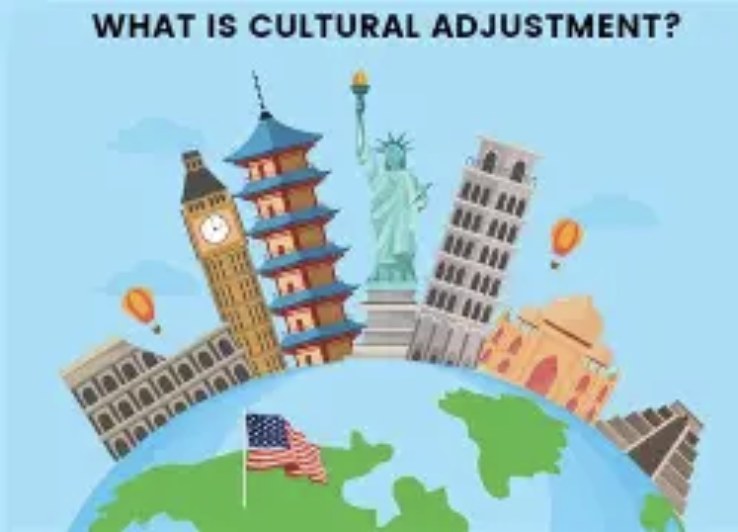
Cultural Adjustment Responds to Emerging Consumption Ideas
Technological advancements bring about shifts in consumer culture, and new leaders adapt more effectively to these transitions. High-consumption demographics are no longer content with merely functional items—they seek products that embody their principles, such as sustainability, intelligence, and exclusivity. New competitors, closely aligned with rising cultural movements, can swiftly align their offerings with these contemporary consumption ideas, whereas older giants, constrained by legacy brand identities, frequently fall behind, diminishing their appeal to premium customers.
Ultimately, every technological advancement represents a renewal wave that favors those capable of recognizing hidden demands, overcoming technological challenges, and adjusting to emerging trends. For high-consumption demographics, identifying these new leaders is not simply about monitoring the market—it’s about welcoming the future of value and creativity.
(Writer:Galli)
Related Articles