Beyond Graphene: The Next New Material Kings
advertisement
Graphene was once celebrated as the "wonder material," yet a fresh wave of advanced materials is stepping forward to take its place. These specialized new materials exhibit extraordinary characteristics, serving consumers who value uniqueness, optimal performance, and sustainability—transforming the domains of luxury, healthcare, and premium manufacturing.
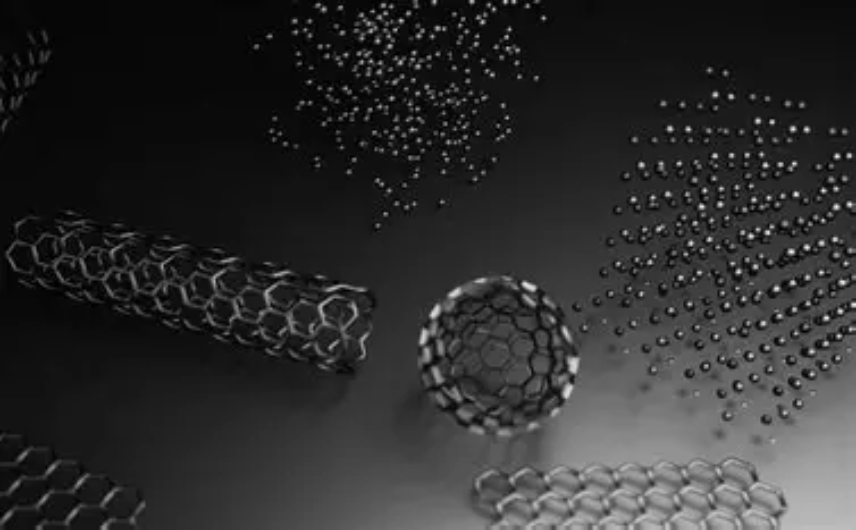
Consider MXenes and borophene, which are two-dimensional nanomaterials that excel beyond graphene in electrical conductivity and mechanical flexibility under certain conditions. Designed at an atomic level, these materials facilitate the creation of ultra-slim, flexible biosensors that can monitor health in real-time within wearable medical gadgets, as well as lightweight, scratch-proof parts for premium watches that combine resilience with environmentally friendly manufacturing practices. In contrast to graphene, which has struggled with economical mass production, these advanced materials are being customized for scalable and sustainable manufacturing processes, indicating a significant change in the influence of high-tech materials on upscale sectors.
Liquid Metal for Flexible Electronics
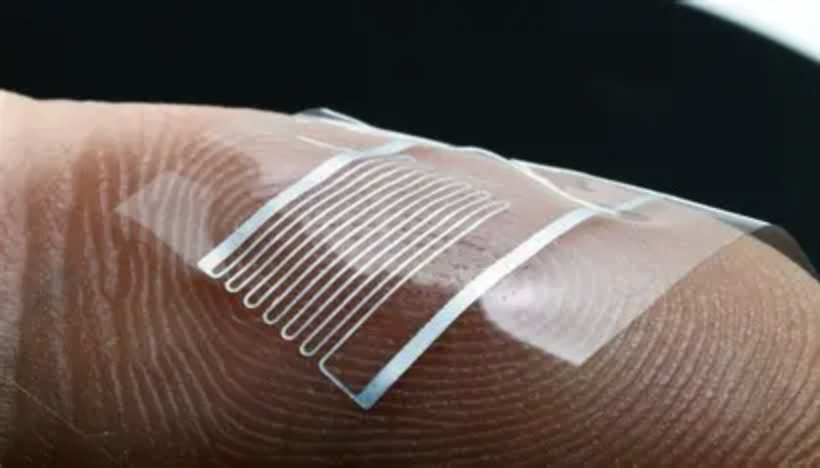
A new advancement from Chinese scientists is semi-liquid metal, which is changing the game for flexible electronic devices. Its capacity to adapt shapes allows for precise, damage-free designs at the micron level, making it ideal for high-quality wearables and aerospace technology. Health aficionados are turning to its biocompatible sensors for accurate monitoring of vital signs, and it enhances the intelligence of spacecraft through lightweight components that resist extreme conditions.
Hexagonal Boron Nitride (h-BN) Coatings
Referred to as "white graphene," h-BN surpasses graphene when it comes to protection against long-term corrosion. It features nano-composite coatings, engineered by organizations in China, creating a combined effect of barrier and passivation that safeguards luxury yachts and premium metal items from deterioration. Wealthy collectors use it to maintain delicate metal artifacts, fusing durability through technology with the preservation of heritage.
Prehistoric Collagen-Cultivated Leather
Leather sourced from lab-grown T. rex collagen sets a new standard in luxury fashion. Teams in Britain are reconstructing ancient protein sequences to cultivate a biocompatible, ethically-produced material noted for its outstanding durability. For environmentally aware elites, it offers an eco-friendly substitute for exotic leathers and is expected to debut as upscale accessories by 2025, combining ancient charm with modern ethical standards.
Osmo's scent technology utilizes digitized methods to create customized fragrance molecules based on AI analysis. Supported by Google Ventures, it develops unique and nearly impossible-to-duplicate scents for luxury perfume enthusiasts. In addition to cosmetics, it produces tailored ambient fragrances for private jets and luxury villas, transforming scent into an exclusive, technology-enhanced sensory encounter.
Self-Healing Polyimide Fabrics
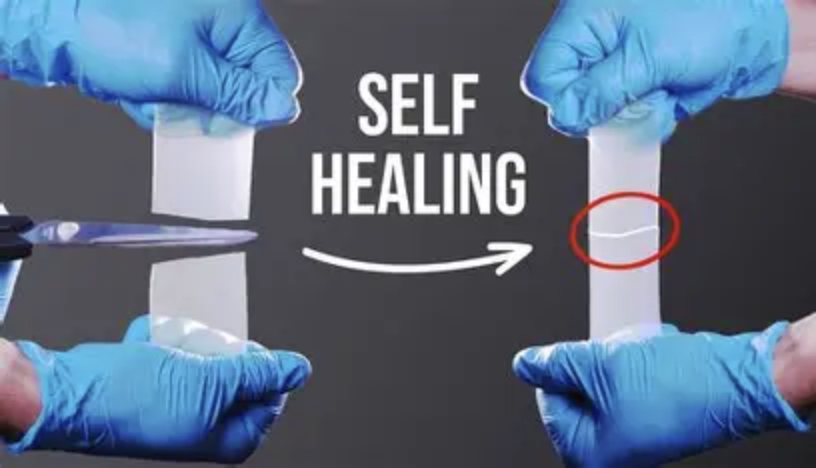
Sophisticated polyimide fabrics incorporate self-healing features that repair scratches and rips when warmed. Designed for individuals with substantial wealth, these fabrics are used in private aircraft interiors and luxury car spaces, keeping them in pristine condition without the need for regular replacements. This innovation combines durability with luxury, contributing to a reduction in waste for environmentally conscious luxury lifestyles.
Biomineralized Bionic Carriers
Mineral composites inspired by biology replicate the formation of natural bones and pearls. These materials are employed in premium medical implants and bespoke jewelry, providing excellent biocompatibility and stylistic adaptability. Discerning clients select these materials for personalized jewelry and regenerative therapies, merging precise technology with natural elegance.
(Writer:Haicy)
Related Articles