Energy Enters the Distributed Era
advertisement
Power Private Estates with Self-Sufficient Systems
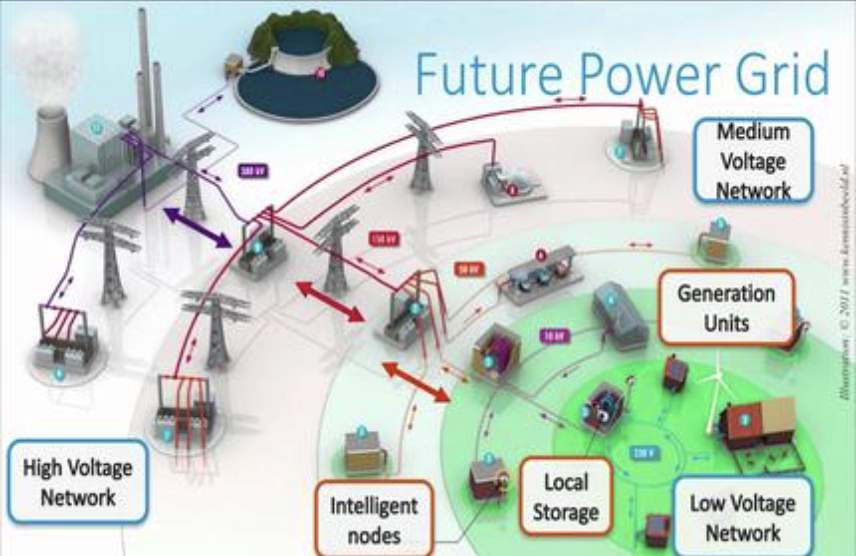
High-net-worth individuals possessing extensive private properties are adopting distributed energy solutions to reduce their dependence on the power grid. Envision a luxurious villa located in Southern France, featuring solar panels embedded in its terrace rooftops, a discreet wind turbine nestled amongst the vineyards, and a battery storage system capable of supplying power to the entire estate—covering everything from the infinity pool to the cooling of the wine cellar and advanced security measures. This arrangement guarantees a steady energy supply during power outages (frequent in isolated luxury areas) and allows property owners to sell surplus energy back to local electricity networks, transforming their estate into a small-scale “energy asset” that helps mitigate utility expenses.
Support Electric Vehicle Fleets in the High-End Market
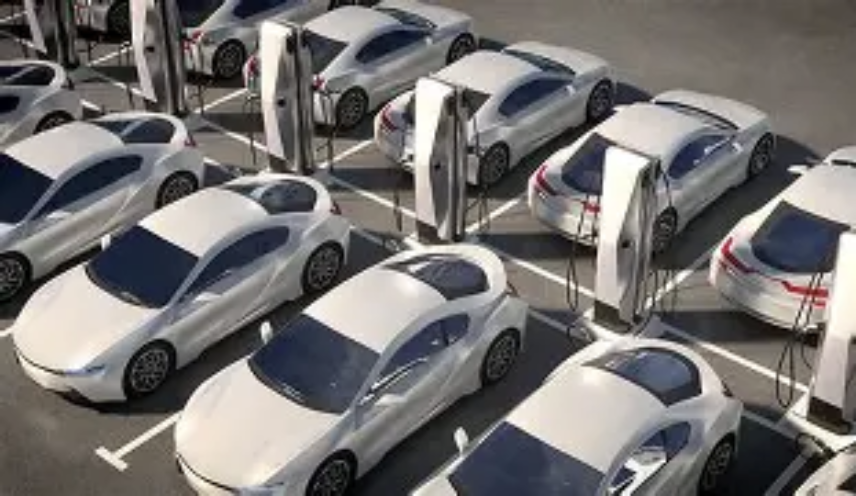
Affluent individuals with several electric vehicles (EVs) are establishing their own charging networks at home. A personal garage might include solar-powered EV charging stations that function even during outages, along with a compact battery swap station for fast refueling. This setup reduces dependence on public charging facilities (often limited in upscale neighborhoods) and gives owners the capability to optimize energy consumption—charging vehicles when solar energy is abundant to avoid high electricity costs. For those with luxury fleets of EVs (for family or staff), this configuration ensures that every vehicle remains fully charged, while also minimizing long-term energy expenses.
Enhance Upscale Resorts with Local Energy Systems
Exclusive resorts that cater to wealthy guests are implementing distributed energy systems to enhance their appeal and sustainability. A chic resort in the Maldives may utilize solar panels and ocean thermal energy conversion (OTEC) technologies to power its villas above water, along with spas and dining establishments. This approach eliminates the requirement for noisy diesel generators (which are damaging to the environment) and enables the resort to provide “zero-carbon stays”—an attractive option for environmentally conscious high-spending tourists. Furthermore, distributed energy systems empower resorts to remain functional during local grid disturbances, ensuring guests experience no interruptions in their luxurious stay.
Power Private Airfields and Aircraft Facilities
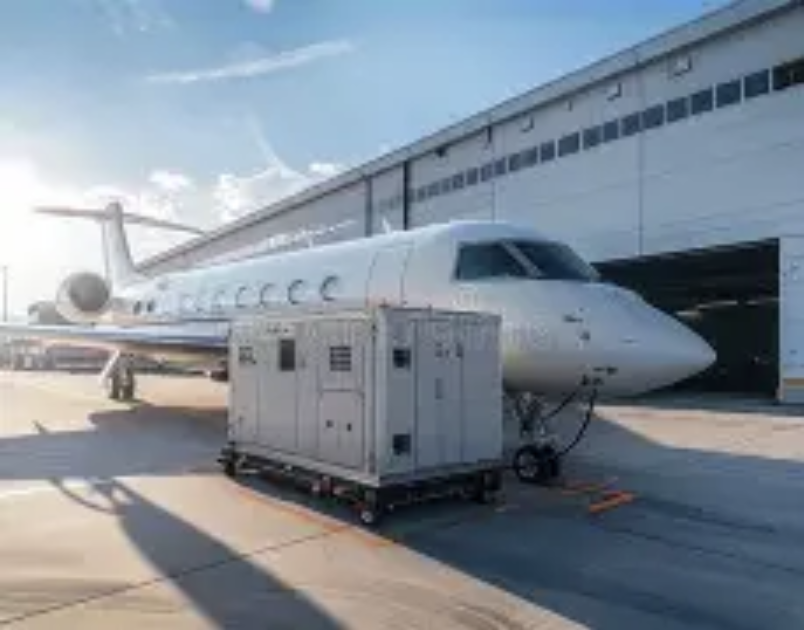
Operators of private airfields or aircraft hangars are opting for distributed energy for improved reliability and cost efficiency. A personal hangar housing a fleet of high-end jets could deploy a mix of solar installations, natural gas microturbines, and battery storage to power tools for aircraft maintenance, climate control systems (essential for safeguarding jet interiors), and lounges on-site. This arrangement circumvents the steep expenses associated with connecting to far-off electrical grids and guarantees consistent power—even in adverse weather or during power grid failures—keeping valuable aircraft secure and ready for operation.
For homeowners who desire complete customization, distributed energy provides bespoke solutions. A tech-savvy affluent individual might combine solar panels with a smart home network that optimizes energy consumption—energizing their home theater during movie nights, their indoor golf simulator on weekends, and their gourmet kitchen during dinner gatherings—all while decreasing reliance on the power grid. Some even incorporate compact geothermal systems to provide warmth for their wine cellars or indoor pools, creating an entirely personalized energy framework that complements their lifestyle and lessens long-term utility bills.
(Writer:Tommy)
Related Articles