Why Some Tech Products Sell Out Immediately
advertisement
In a market filled with new technological devices, only a limited number of products manage to sell out within hours of their introduction—an occurrence that extends beyond simply clever advertising. For sophisticated consumers who value innovation, exclusiveness, and smooth integration into their high-end lifestyles, these “sell-out successes” stem from strategic alignment in technology, unmet niche market needs, and a profound comprehension of what compels wealthy customers to make purchases.
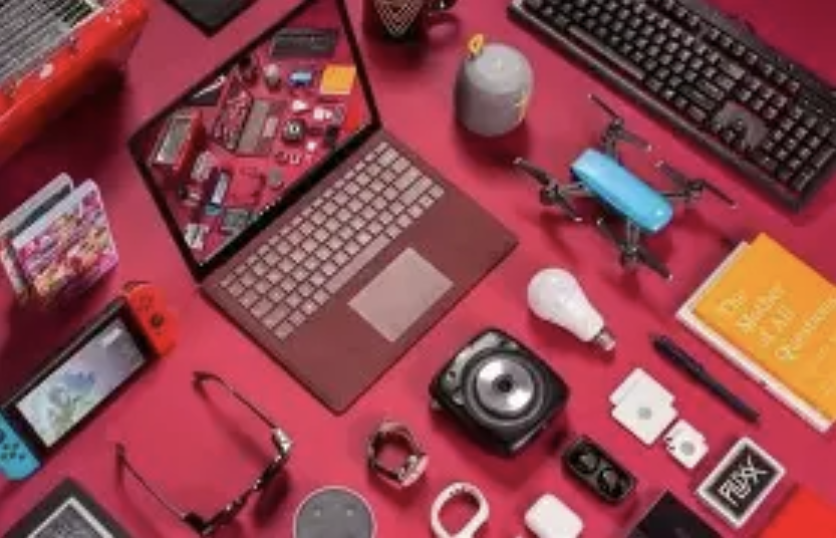
Successful product launches do more than add new features—they tackle unexpressed grievances of luxury consumers. For instance, smart wearables that utilize artificial intelligence and connect with private jet navigation or high-end home automation meet the demand for cohesive and effortless technology integration, something that mainstream alternatives often miss, encouraging spontaneous buying among the elite.
Niche Innovation: Distinct from Mainstream Buzz
Sell-out technology intentionally steers clear of oversaturated trends, concentrating on unique, high-value innovations. Picture ultra-portable quantum encryption devices designed for secure data preservation, or mixed reality headsets tailored for exclusive art viewings—capabilities that attract discerning users who prefer uniqueness over conventional functionality, creating significant pre-launch anticipation.
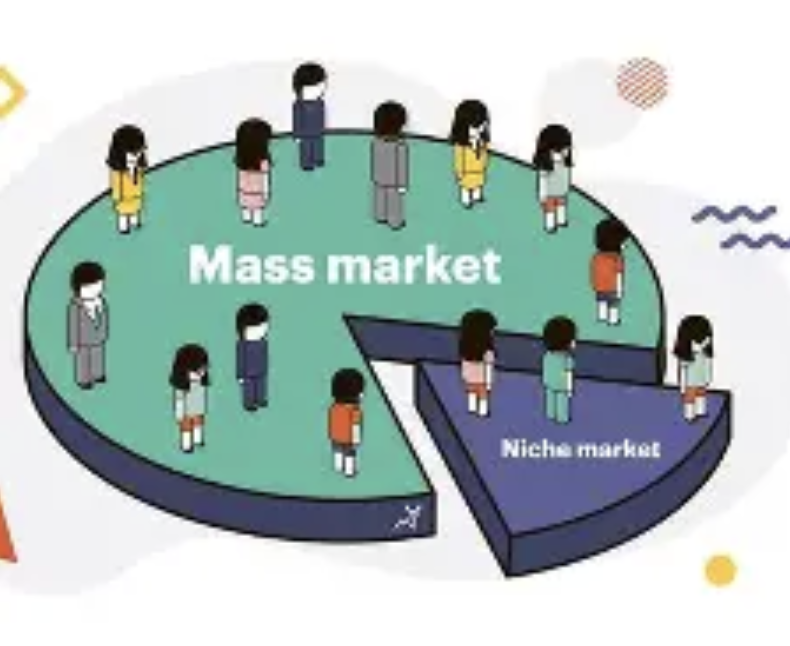
Unlike induced scarcity, sell-out items utilize tech-oriented limited production methods. For example, exceptional chip production rates or rare materials (such as sapphire used for high-end displays) foster natural scarcity, elevating the product to a status item—something wealthy consumers intentionally seek to differentiate their lifestyles from the general population.
Pre-Launch Tech Validation: Establishing Trust with Elites
Top-selling items go through selective pre-launch evaluations with well-known technology critics and affluent beta testers, rather than conventional focus groups. This validation—frequently relayed through exclusive networks—establishes confidence, as affluent individuals depend on peer and expert input to validate a product’s worth, reducing hesitation at the time of launch.

This specialized validation method holds significantly more significance compared to traditional advertising, since wealthy consumers value trustworthiness and endorsement from insiders more than broad-market promotion. By restricting preliminary access to prominent, selective individuals, companies create an image of exclusivity and exceptional quality, which encourages wealthy clients to make purchases. This focused examination before launch enhances product effectiveness while also generating genuine, credible excitement that rapidly translates into substantial sales and enduring brand reputation.
Ecosystem Lock-In: Smooth Integration with Existing Luxury Technology
Sell-out products seamlessly merge with the technology ecosystems that affluent individuals already possess—from upscale smart homes to personalized digital assistants. A high-end AI camera that connects to a user’s current sophisticated home security and art management systems, for instance, becomes essential, as it complements rather than disrupts their existing setup.
Emotional Tech: Engaging Beyond Function
The most successful product launches focus on emotional aspects, not solely practicality. Consider AI-driven family legacy tools that keep memories alive through personalized content curation, or tech accessories that merge artisan luxury materials with advanced capabilities—appealing to affluent individuals who appreciate both innovation and emotional significance.
For wealthy consumers, a tech product that sells out transcends being merely a device—it conveys a sense of style, fulfills concealed needs, and fits seamlessly into their luxurious lifestyle. The reason these items disappear from shelves is straightforward: they don’t merely market technology—they promote a superior, more exclusive way to engage with it.
(Writer:Ganny)
Related Articles