Underground Futures: Tech-Powered Urban Retreats
advertisement
As urban areas struggle with overcrowding, environmental pressures, and a lack of space, a new domain is developing below us. The prospect of living underground is evolving from a bleak idea into a refined, technology-infused concept designed for individuals who prioritize luxury, seclusion, and eco-friendliness. Discerning individuals are already investigating how state-of-the-art technologies can convert subterranean areas into elite sanctuaries, reshaping city life beyond traditional heights.
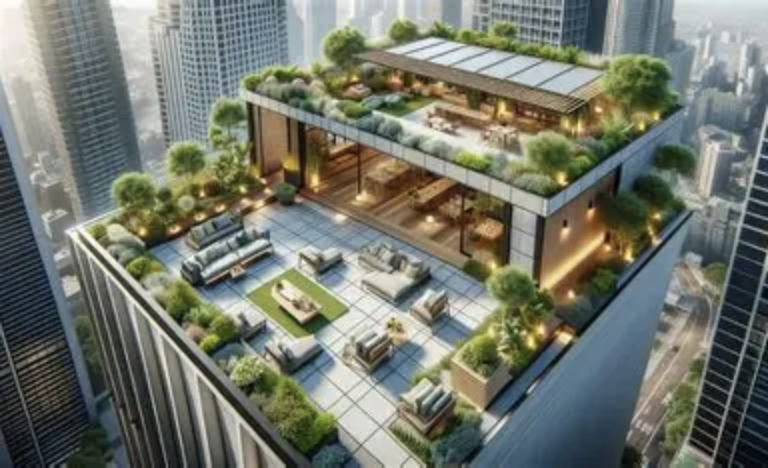
Bioluminescent Lighting: Natural Glow Without Sunlight
The era of gloomy, synthetic lights in underground environments has ended. Engineered bioluminescent organisms embedded in walls and ceilings provide a gentle, organic light that mimics the natural rhythm of sunlight. This innovation does away with harsh illumination, conserves energy, and fosters a soothing atmosphere, ideal for lavish subterranean homes. In contrast to LED systems, it operates without electricity, combining ecological consciousness with aesthetic elegance.
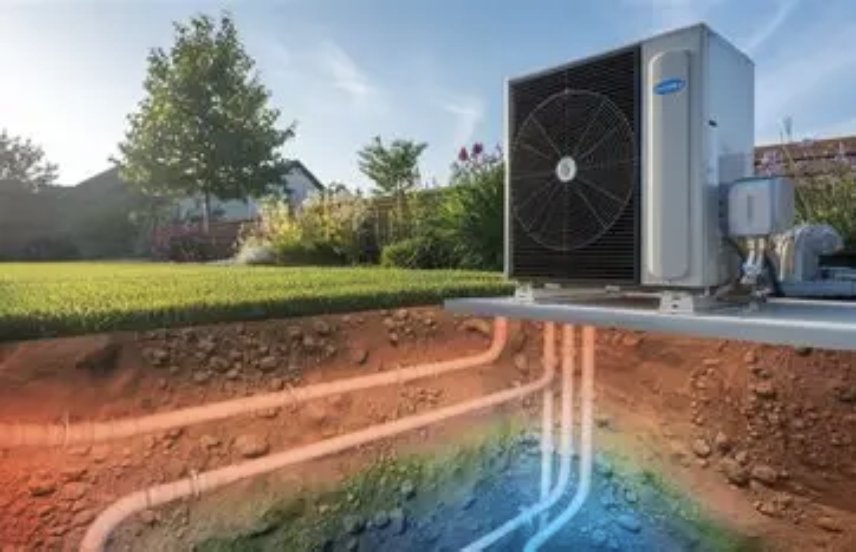
Geothermal Air Circulation: Climate-Controlled Oases
Subterranean areas utilize geothermal technology to achieve optimal temperatures throughout the year. Sophisticated heat exchange systems utilize the earth’s consistent core temperature, rendering energy-intensive HVAC systems unnecessary. For affluent residents, this guarantees year-round comfort—cool during hot months and warm in chilly ones—while significantly reducing carbon emissions and preserving air quality through integrated filtration systems.
Underground Vertical Gardens: Lush Subterranean Greenery
Vertical gardening technology converts subterranean walls into flourishing green environments. Hydroponic systems, fueled by AI for nutrient distribution, cultivate rare herbs and plants without the need for soil. These gardens enhance air quality, minimize noise, and foster a connection to nature—transforming underground sites into verdant retreats. Exclusive subterranean communities are already incorporating this innovation for private gardens and shared green spaces.
Additionally, these subterranean vertical gardens function as eco-friendly urban alternatives in crowded cities where space above ground is limited. They make use of neglected underground spaces—like transit stations, basements, and below-ground walkways—thus enhancing greenery without taking up precious land on the surface. When paired with innovative LED grow lighting and self-sustaining water systems, they run effectively with minimal energy use, promoting sustainable living in urban settings, even within the bustling centers of concrete cities.
Seismic Shield Tech: Absolute Safety & Stability
Safety is essential for living underground, and seismic shield technology provides outstanding protection. Materials reinforced with carbon fiber and AI-driven vibration sensors identify geological movements, activating shock-absorbing mechanisms to mitigate impact. This advancement ensures that subterranean homes remain safe even in areas prone to earthquakes, a vital feature for individuals who seek stability.
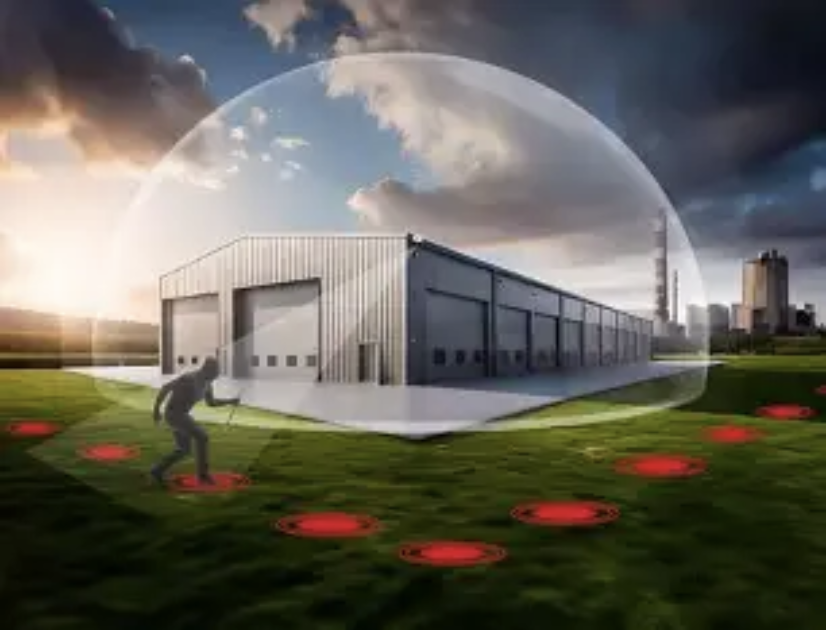
Underground areas thrive in privacy, bolstered by advanced sound insulation technology. Nanofiber materials obstruct outside noise while containing internal sounds, resulting in completely isolated spaces. Ideal for home offices, private cinemas, or wellness areas, this technology guarantees uninterrupted peace—essential for high-net-worth individuals looking for refuge from the tumult of urban life.
Autonomous Underground Transit: Seamless Connectivity
Subterranean cities are not disconnected; autonomous transit pods connect them to above-ground facilities. These electric, AI-operated pods navigate through exclusive tunnels, circumventing traffic and offering direct service. For residents, this translates to swift access to airports, upscale shopping, and business hubs, merging the privacy of subterranean living with urban accessibility.
The future of underground living is characterized by a blend of luxury, sustainability, and safety through innovative technology. For those ready to adopt this concept, these underground environments represent more than mere housing—they serve as exclusive, forward-looking sanctuaries that transform the definition of living in a contemporary city.
(Writer:Seli)
Related Articles